
Septic Tank Cleaning in Medina & Northeast Ohio
Routine septic tank cleaning keeps your tank, drainfield, and home in good shape between problems. We clean septic tanks in Medina and across our nine-county Northeast Ohio service area. If you are due for a cleaning or want to set up a maintenance schedule, call or text for a free estimate.
For restaurants, rental properties, shops, and other business locations, we also handle commercial tank cleaning through our commercial septic services.
Serving Medina, Summit, Wayne, Lorain, Cuyahoga, Stark, Portage, Ashland, and Erie counties.
Septic Tank Cleaning: What to Expect
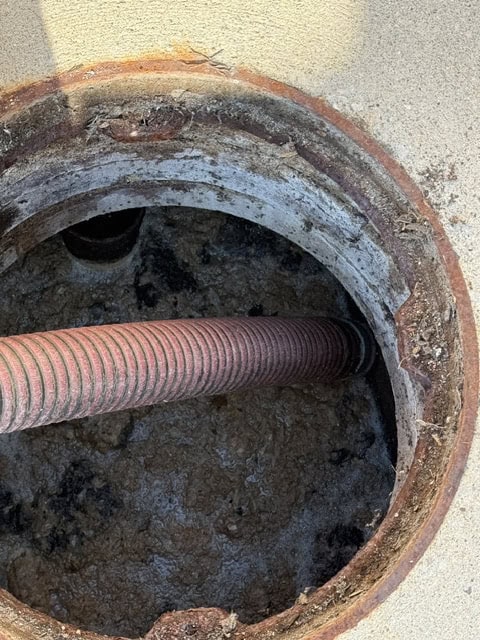
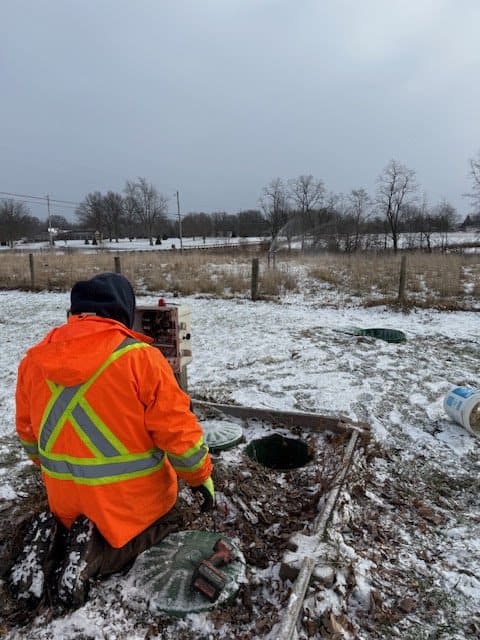
A typical cleaning visit takes 30 to 60 minutes depending on tank size and access. When we arrive, we locate your access points, open the lids, pump the tank down, and remove the built-up waste. If the sludge is extremely thick, we may backflush more than once to get it moving and thoroughly remove it from the system. We check the inlet and outlet baffles for damage, handle filter cleaning based on the system type, and inspect the lid and risers for cracks or wear.
Before we leave, we walk you through what we found so you know the condition of your system and what to watch for between visits. If anything visible at the tank looks like a concern, the technician notes it on the invoice so you have a record. There is no pressure sales pitch. The customer decides if and when they want to address the repair.
If cleaning turns up a damaged baffle, worn riser, broken line, alarm, or pump concern, our septic tank repair page explains what we can troubleshoot and quote.
If you do not know when the tank was last cleaned, the lid is buried, or you just bought the property, tell us when you call. We can talk through access and scheduling before the truck rolls.
What Septic Tank Cleaning Includes
- Tank pump-down and sludge removal. We pump the tank down, remove the built-up waste, and backflush when needed to thoroughly remove sludge. For a working system, we may leave a few inches in the tank to help preserve the bacteria and keep the system healthy.
- Baffle and tee inspection. If they are cracked or missing, we flag it for you.
- Filter cleaning, based on the system. If a Jet or Hydro-Action system has a filter, that filter cleaning is included during the visit. Norweco Bio-Kinetic filter cleaning carries an added fee.
- Tank walls, lid, and access points. Visual check for cracks, leaks, and corrosion.
- Walkthrough of findings. Before we leave, you know what we found and what to watch for.
Caring for Your Septic Tank Between Cleanings
What you do between cleaning visits matters as much as the cleaning itself.
Water use
Spread laundry across the week. Fix running toilets and dripping faucets. Watch for leaks. Hydraulic overload pushes solids forward into the drainfield, which is exactly the failure mode you are trying to avoid.
What not to flush
Wipes (even the ones labeled flushable), grease, coffee grounds, paper towels, feminine products, and harsh chemicals. The only safe rule is human waste and toilet paper. Everything else either floats wrong, settles wrong, or kills the bacteria that keep the tank working.
Garbage disposal
Use it sparingly. Food solids accelerate sludge buildup. Heavy disposal users usually need cleanings more often than the household-size table suggests.
Additives
Rid-X and similar bacterial additives are mostly unnecessary if your system is healthy. Our guide on septic tank additives covers when they help and when they do not.
Drainfield care
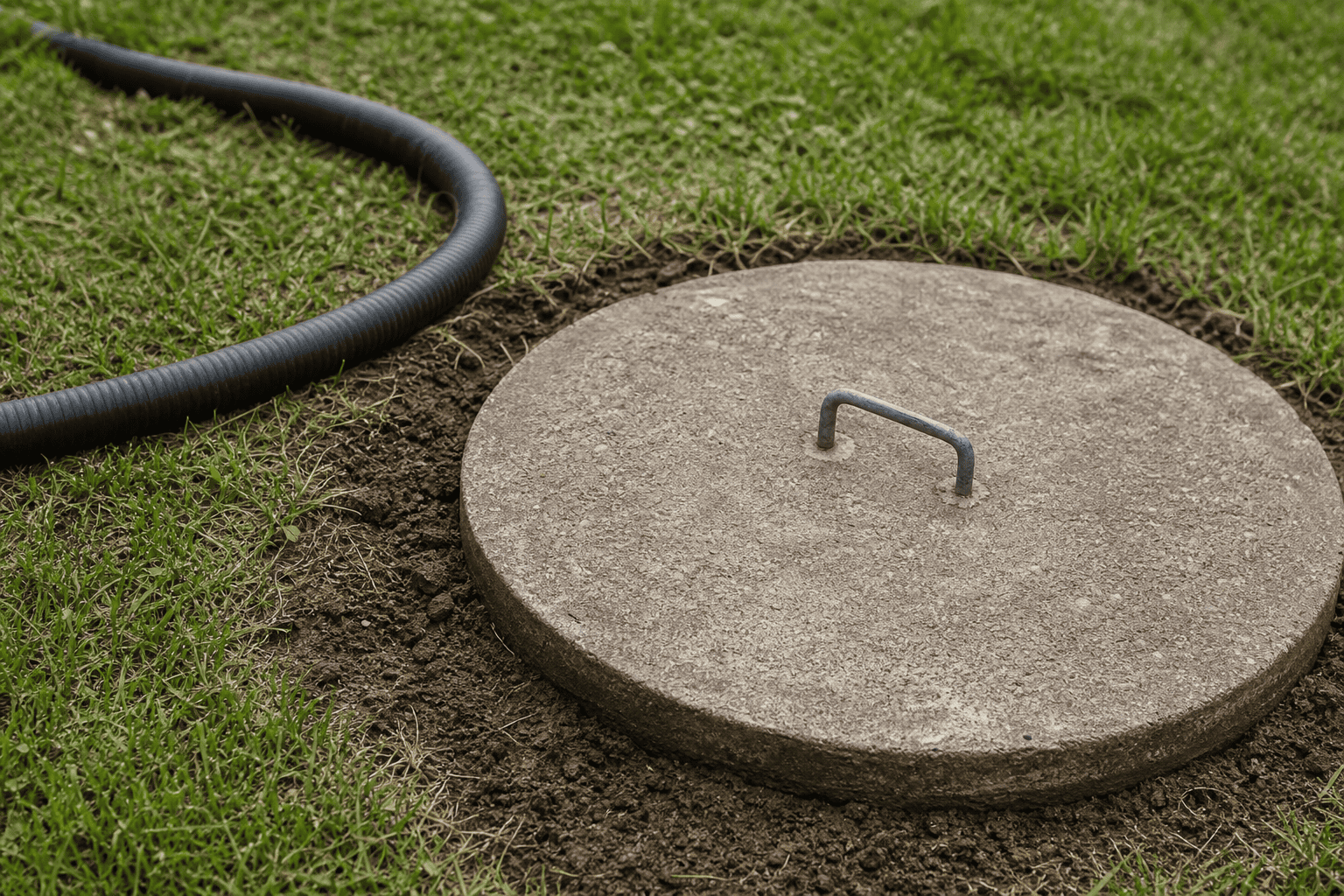
Keep traffic, parking, and tree roots off the drainfield area. Redirect surface runoff away from it. Deep-rooted trees and shrubs near the drainfield are something most homeowners do not think about until the field starts failing, but root intrusion can damage drainfield piping over time.
How Often Should You Clean Your Septic Tank?
Frequency depends on tank size and household size. Here is our real-world guidance, based on years of pumping and cleaning tanks across Northeast Ohio:
| Tank size | 1-2 People | 2-4 People | 5-6 People |
|---|---|---|---|
| 1,000 gal | 3-5 years | 2-4 years | 1-3 years |
| 1,500 gal | 4-6 years | 3-5 years | 2-4 years |
| 2,000 gal | 5-7 years | 4-6 years | 3-5 years |
Real-world frequency varies with usage, household habits, garbage disposal use, and what gets flushed. These ranges are starting points, not hard rules. Heavy water users land at the shorter end. Households that put a lot through a garbage disposal land there too.
What a cleaning visit adds beyond emptying the tank is the maintenance work: filter service, baffle inspection, and a system check while the lid is open. If all you need is the tank drawn down, see our septic tank pumping page for pump-out timing and what that visit covers.
In Summit County and across Northeast Ohio, your operation permit specifies its own inspection and maintenance schedule. That schedule may be tighter than the table above. We handle the permit records and the cleanout schedule as part of routine cleaning.
If you do not know your tank size, check your county records or your home’s original install paperwork. Our pumping frequency post goes deeper on the variables that move you up or down the schedule.
Don’t Know Your Last Cleaning Date?
Plenty of homeowners take over a property without service records. Tell us what you know about the property when you call, and we will help you decide whether it is time to schedule a visit.
When to Schedule Routine Cleaning
Routine cleaning is about staying ahead of buildup, not reacting to a problem. Most homes are due based on time and use, not warning signs.
You are inside the interval
If it has been a few years for your tank and household size, it is time to book a visit, even when nothing seems wrong.
You bought the home recently
No service records usually means the tank is overdue. A first cleaning gives you a baseline to schedule from.
Your permit requires it
Aerobic and NPDES systems carry an operation permit with its own inspection and cleanout schedule.
Your household use is heavy
More people, more laundry, or regular garbage disposal use moves your cleaning schedule up.
Seeing slow drains, gurgling, or odors already? That usually means the tank is full and needs a septic tank pump-out, not just routine cleaning. If sewage is backing up into the home, that is an emergency, and the triage steps are on our emergency septic service.
Septic Tank Cleaning Across Northeast Ohio
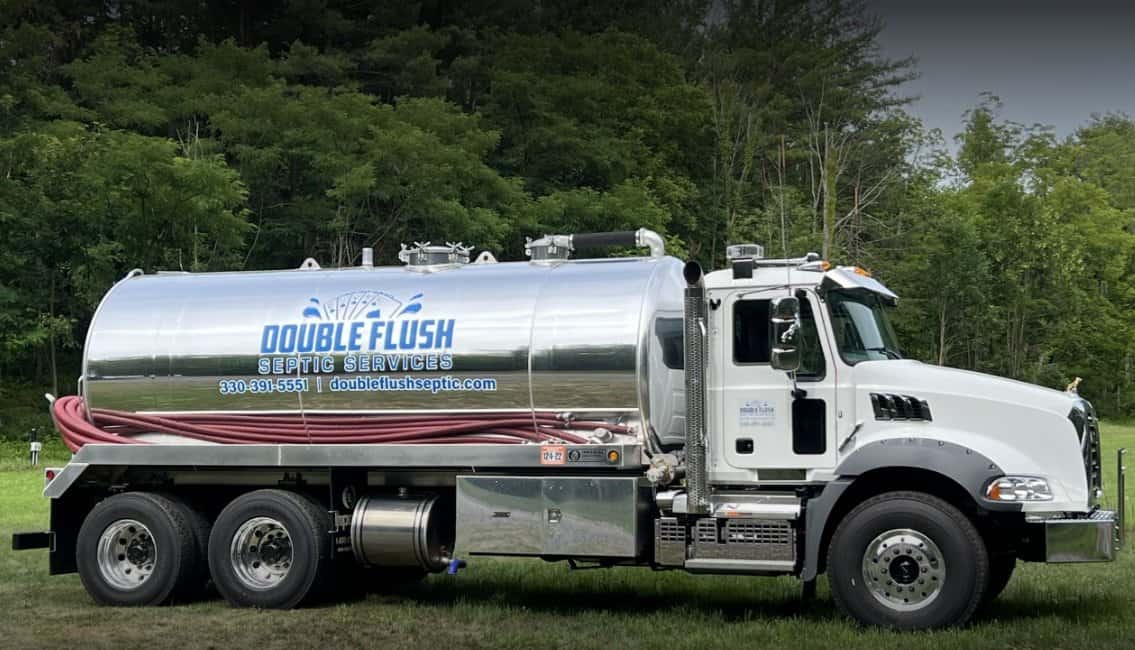
Double Flush Septic is based in Medina and provides septic tank cleaning across our nine-county service area. If you are not sure whether your address is in range, call or text and we can confirm coverage.
Frequently Asked Questions
Choose Double Flush Septic Services Today
When you call, we will ask for your tank size, your last cleaning date if you know it, and your address so we can route the truck. We cover nine counties across Northeast Ohio with weekend appointments available. The conversation starts with a free estimate and no pressure to commit on the call.
Most first-time customers want to hear what cleaning involves and what it costs before they pick a date, and we are set up for that.


