
Failed Septic Inspection? What to Do Next Before Closing
Failed Septic Inspection Before Closing: The Deal-Killer News
You are weeks away from closing and the only thing remaining is the home and septic inspection. You anxiously await the results only for the septic inspection to come back with the worst possible result: failed septic inspection. In Northeast Ohio, a “failed” septic report is not just a suggestion to pump the tank. It is a legal signal that your system is no longer protecting the groundwater and may need to be replaced.
If you receive a failed septic report with repairs allowed, this usually includes a mechanical repair such as a pump or aerator needing replacement. If the system is deemed a public nuisance with no repairs permitted, a full system replacement is typically required. Ohio laws were updated significantly in 2015. Many failing older systems cannot be “patched” or repaired. They must be replaced with modern systems, which often include aerobic treatment and ultraviolet (UV) technology for disinfection.
Mechanical vs. Structural Septic Inspection Failures
A mechanical failure versus a structural failure is very different in terms of repairs versus no repairs. When preparing to list your home for sale, you may ask how to get septic to pass inspection. It is best to request a service visit to ensure that all of the mechanical components of your system are functioning properly.
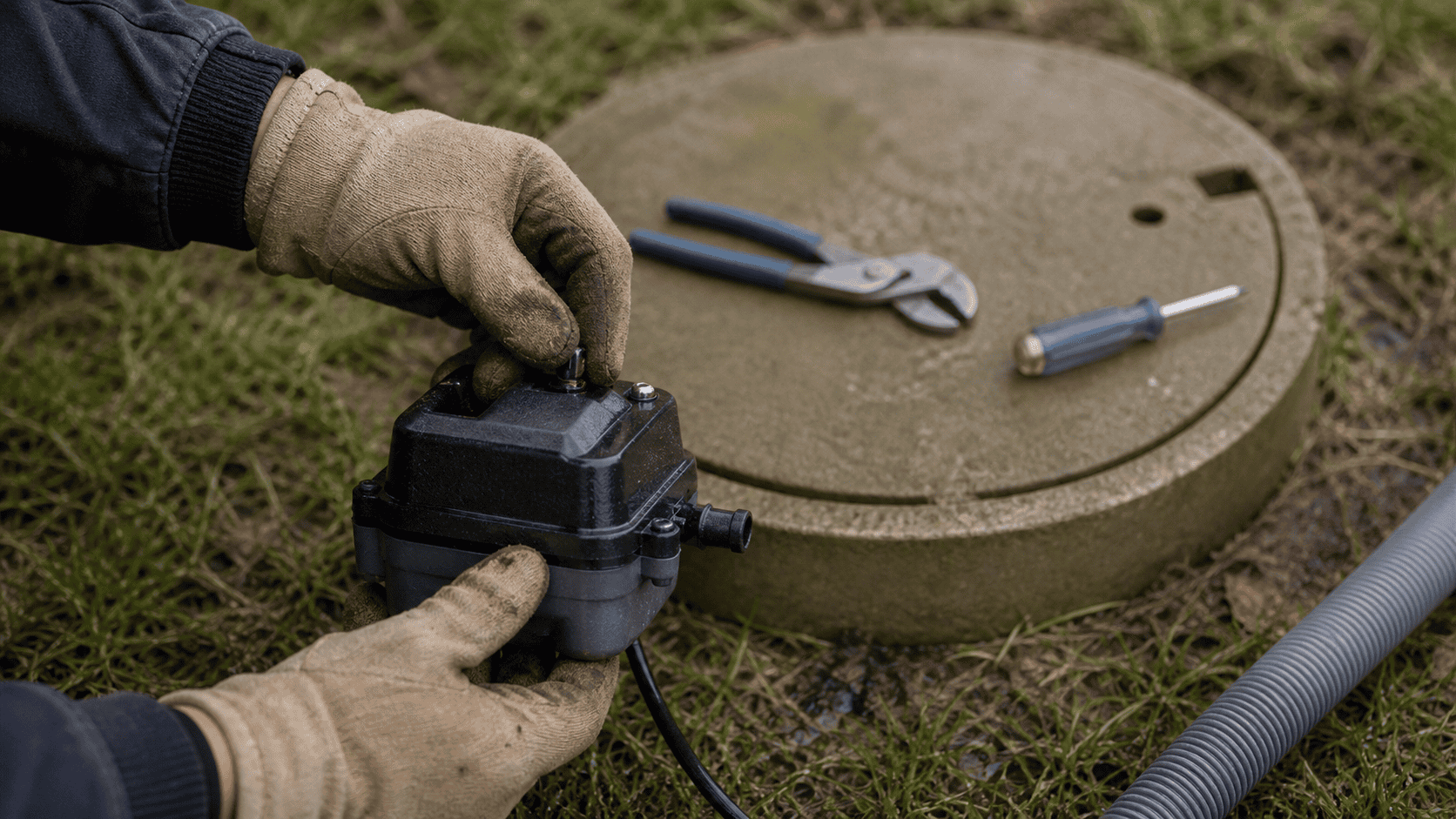
When a mechanical failure occurs, it is often a discharge pump or aerator that is not functioning and either needs repaired or replaced. Many systems discontinue discharging wastewater when a UV bulb, discharge pump, or aerator is not working properly. This may cause a high-water alarm. Other issues such as a septic cleaning may be noted as necessary, filters may need cleaned, and risers/lids may need updated or added. These types of repairs fall under the category of a service visit and can typically be addressed in one day.
When it comes to a structural failure, this is due to the system no longer properly discharging or processing the wastewater. Saturated leach fields, “toeing out” mounds, or a collapsed tank are just a few examples of failures that would all typically fall under the category of a failed system. These are “deal killers” that require a new permit from the local health department and require a process to be followed in order to replace the septic system.
Failed Septic System Replacement in Ohio: What Comes After a “Fail”
In Lorain, Summit, and many surrounding counties, a point-of-sale inspection may be required. Once the inspection has been completed, it is sent to the local health department. If a system has been labeled “failed,” you will first want to determine if repairs are allowed or if a replacement system is needed.
If a new system is needed, you cannot simply dig a new trench next to the old one. There is a process that must be followed. If your property has over one acre, you typically will need soil samples from a soil scientist, which will help determine the best type of system for your property.
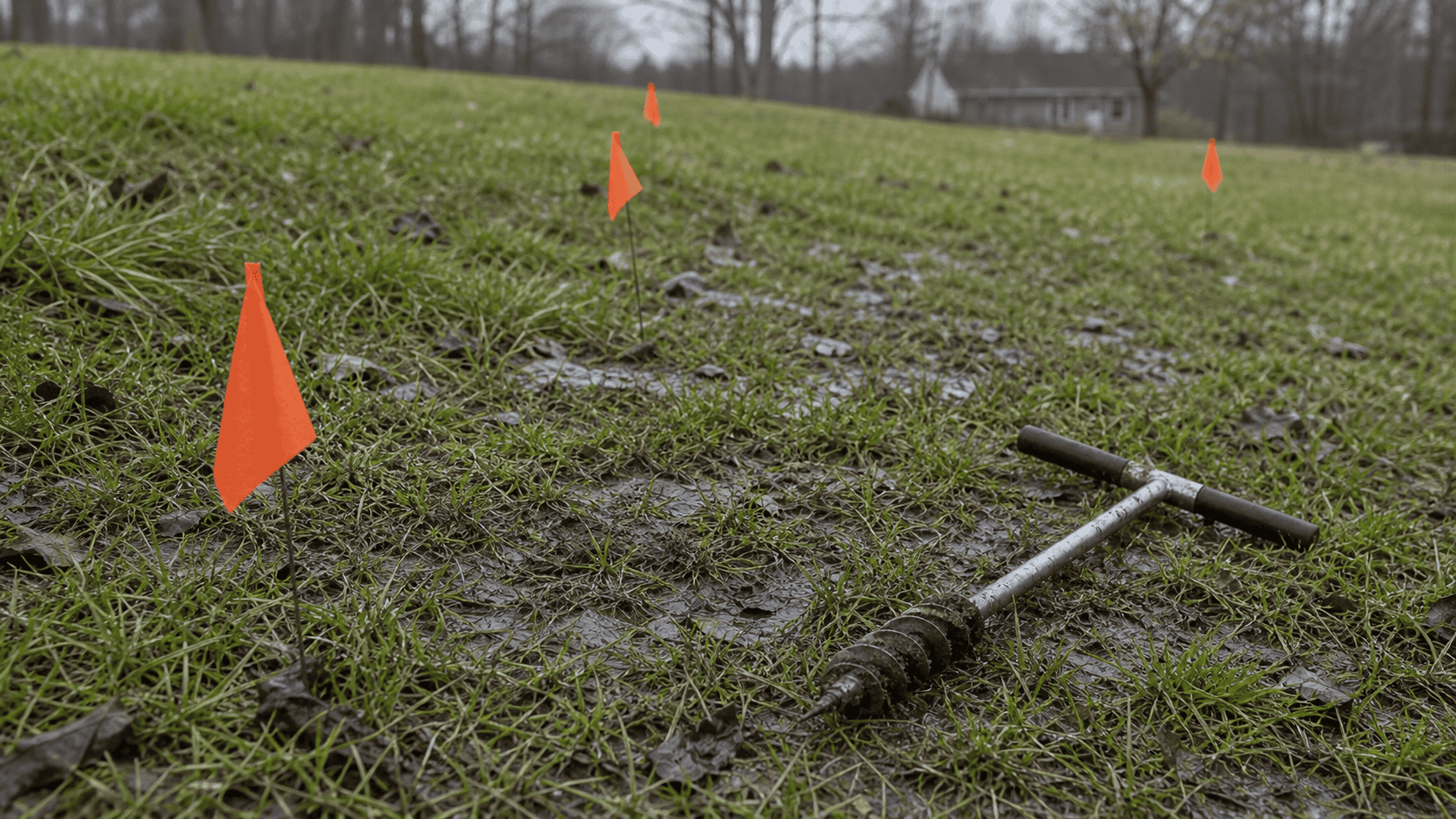
Four main types of septic systems that are typically installed are listed below. Please note, others may be available based on soil conditions and your local county:
- NPDES (Off-Lot Discharge): For small lots or lots with poor soil. This involves discharging to a storm sewer, swale, stream, ditch, or creek. It requires EPA approval.
- Spray Irrigation: Sprays treated water onto the lawn with one or two above-ground spray heads.
- Drip Irrigation: Sub-surface “tubing” that slowly doses into the soil.
- Mound: A “hill” made of sand and pipe.
These systems are all significantly different than the “pipe and gravel” systems of the 1970s. They are specially engineered to ensure that wastewater is properly treated and discharged in an environmentally safe manner.
Septic Dye Test Searches: Why “Beating” the Test Is a Bad Idea
During a point-of-sale inspection, a dye test is administered. Homeowners listing their home may inquire as to how to beat a septic dye test. “Beating” a test is never advisable. If a buyer moves in and the system backs up or fails a short time later, the seller could face massive legal liability for non-disclosure of a known failure.
Understanding your current system, properly maintaining it, and diagnosing issues as they arise can help a homeowner find out what condition their current system is in prior to listing their home and having an inspection completed. Learning what is involved in a septic inspection can also help you understand the report. By continually servicing your system, a septic professional can help advise and address issues as they arise. They can also inform a homeowner if a system is in the early phase of failure so they can properly plan for the future with no surprises.
Failed Septic Inspection and Local Real Estate Sales
Requirements vary by county. In Lorain, Summit, Stark, Portage, and other surrounding counties, local septic rules can affect a sale, and a failed system can hold up the sale of a property.
Medina, Wayne, and Cuyahoga: Even without county-mandated point-of-sale inspections, many lenders (FHA/VA), along with savvy buyers, will demand a passing report before funding.
The escrow solution: Double Flush Septic Services is happy to work with you and your realtor to provide an accurate estimate so that funds for a replacement system can be placed in escrow, also called an “escrow holdback.” This allows the sale to close while the replacement system is going through the permitting process. Once installed, the funds can be released from escrow to pay for the new septic.

What to Do After a Failed Septic Inspection
Step 1: Make sure both the buyer and seller receive the official inspection report.
Step 2: When reviewing your report, if you are unclear as to what is permitted or need estimates, get a professional opinion to review the report.
Step 3: If a replacement system is needed, get an installation quote to start the process so funds can be placed in escrow if needed.
If you received an unexpected failed septic inspection report, do not let it kill your closing. Call or text Double Flush Septic Services at 330-391-5551. We specialize in getting homeowners from “fail” to “closed” with honest and accurate estimates as well as expert installation.
Frequently Asked Questions
Sources
- Ohio Administrative Code Chapter 3701-29
- Summit County Public Health: Point of Sale
- Summit County Public Health: Operation Permits
- Medina County Health Department: Sewage Treatment Systems
- EPA: How Septic Systems Work
Need help after a failed septic inspection?
Call or text Double Flush Septic Services. We can review the report, explain whether the issue looks repairable, and provide replacement estimates when the local health department requires a new system.